


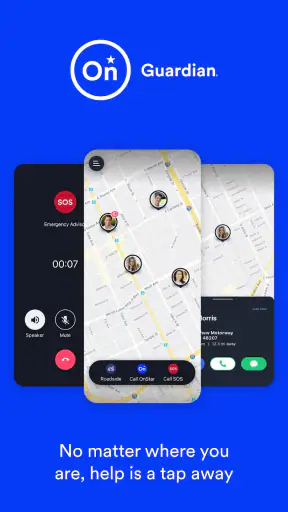
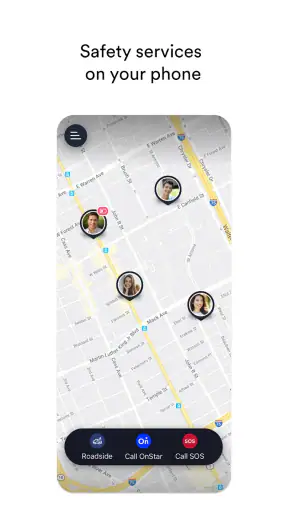
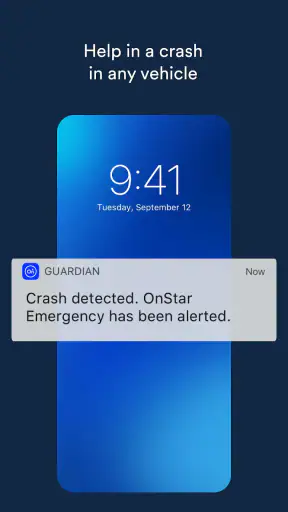
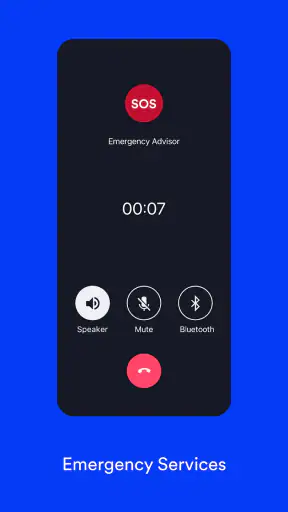
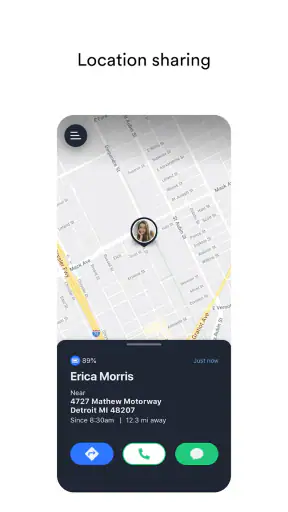
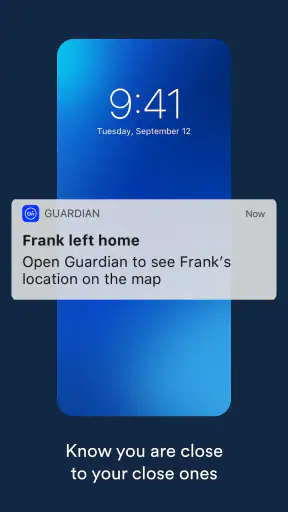
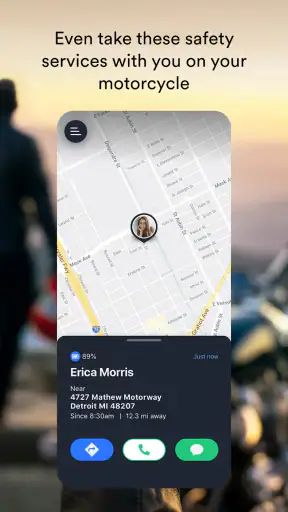
OnStar Guardian: Safety App is the kind of lifestyle app I would install before a long drive, a late-night commute, or a trip where I want a little extra support close at hand. Developed by OnStar, LLC, it brings key safety services to a smartphone rather than making the car itself the only place where help-related tools are available. That distinction is the main reason to consider it: the phone travels with you even when you are away from your vehicle.
I found the app most useful when treated as part of a simple personal safety routine, not as something to open only after a problem has already started. Its purpose is focused, and that focus is helpful. You are not getting a broad lifestyle dashboard packed with unrelated content. You are getting a dedicated safety companion with a free entry point, an Everyone age rating, and an interface intended for ordinary smartphone users.
How I would use it in an everyday safety routine
My baseline workflow would be to install the app, sign in carefully, review the main safety options, and then decide which actions I might genuinely need while driving or traveling. The important part is doing this while calm and stationary. Safety tools are much easier to understand at home than when you are pulled over, dealing with a minor collision, or trying to help another person.
Once set up, I would keep the app in a predictable place on my phone rather than burying it inside a large folder. That small habit matters. In an urgent moment, searching through several screens adds unnecessary friction. I would also avoid testing unfamiliar controls while moving. The safest workflow is to learn the layout before a journey, then use only the controls I already understand when something unexpected happens.
A realistic example is a weekend drive with a family member who is not comfortable handling roadside situations. Before leaving, I would show that person where the app is located and explain what it is for. If a problem occurs, neither of us has to remember the app’s name or search through the store. That preparation is more valuable than repeatedly opening the app without a clear reason.
The app’s store summary describes key safety services on a smartphone, and that is a useful way to set expectations. I would not treat it as a replacement for every emergency resource, nor would I assume that installing it automatically solves every safety concern. It is best viewed as one layer in a larger plan that can include a charged phone, sensible driving decisions, local emergency knowledge, and a person who knows where you are going.
OnStar Guardian: Safety App is free, which makes experimenting with the basic workflow easier than committing money before you know whether it suits you. Still, free does not mean frictionless. You may need to spend time understanding account access, device behavior, and the situations in which the app is actually useful. That setup time is worthwhile only if you expect to use the safety functions or want them available for a particular household routine.
What I would check before relying on it
I would first confirm that the app opens normally and that my account details are correct. I would then look through every visible safety-related screen without activating anything unnecessarily. The goal is not to memorize every label. It is to know where the important actions live and which ones are informational, preparatory, or intended for a real incident.
I would also check that the phone itself is ready. A safety app cannot compensate for a nearly empty battery, a damaged phone, or a device that has been left somewhere inaccessible. Keeping the phone charged before a long trip is a more useful habit than assuming the app will always be available at the exact moment it is needed.
Because this is a smartphone-based service, I would pay attention to the way the app behaves on my particular device. The current version is 3.7.0 and supports Android starting with version 8.0, so people with older phones should check compatibility before planning around it. Compatibility is not merely a download question; it also affects whether the app feels comfortable enough to use quickly on the device you carry every day.
Another practical check is notification behavior. I would review the phone’s notification settings and make sure the app is not unintentionally silenced if I want timely prompts or status information. At the same time, I would avoid enabling every alert without thinking. Too many notifications can train you to dismiss the app automatically, which is the opposite of what you want from a safety tool.
I would make these checks on a quiet day and repeat them after major phone changes, such as moving to a new device or changing account settings. This is one of the less obvious strengths of a repeatable routine: you notice problems before they become urgent. It also prevents the common mistake of assuming that an app configured months ago still behaves exactly as expected.
Settings that deserve a deliberate review
Experienced use starts with resisting the urge to accept every default without looking. I would review the account area, notification controls, and any options connected with safety communication. I would not change settings simply to make the app look customized; I would change them only when the result makes a real task clearer or more dependable.
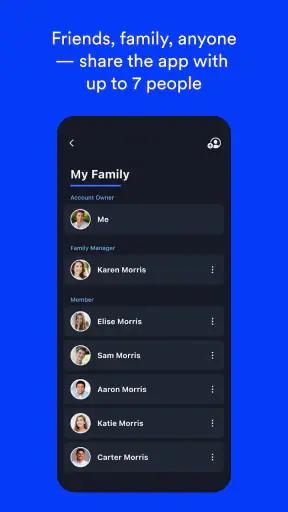
If several people in a household may use the same vehicle or depend on the same safety plan, I would agree in advance on who is expected to open the app and who should be contacted through other channels. The app can be part of that arrangement, but the arrangement itself should not live only in one person’s memory. A short conversation about roles is an advanced but practical improvement over leaving everyone to guess.
I would also consider how the phone is stored in the car. A device placed under luggage or inside a deep center console is technically present but practically unavailable. Keeping it reachable without creating a driving distraction is a better configuration. I prefer setting this up before starting the engine, because adjusting a phone while driving introduces a separate safety problem.
For people who travel across areas with inconsistent connectivity, I would be especially careful about assuming that every smartphone service behaves identically in every location. I would learn the app’s normal flow in familiar surroundings and keep general emergency options in mind as well. This is not a criticism unique to OnStar Guardian; it is a basic limitation of relying on a connected phone service for time-sensitive help.
The app should also be introduced to less technical family members in plain language. I would explain what the app is for, where to find it, and what to do if it does not open or if the person is unsure which option applies. A short demonstration is more useful than telling someone, “You have the safety app,” and assuming that will be enough under stress.
Faster patterns that reduce hesitation
After learning the layout, I would build a small number of repeatable patterns instead of trying to remember every possible path. For example, I would use the same home-screen location, the same pre-trip check, and the same explanation for passengers. Familiarity reduces the number of decisions required when attention is already divided.
Phone shortcuts can help with access, but I would keep them conservative. A prominent icon or a simple home-screen placement is useful because it shortens the search. I would be cautious about creating gestures or automations that I do not fully understand, especially if they could trigger an action accidentally. Faster is valuable only when it remains predictable.
One strong workflow is the “before, during, after” habit. Before a trip, I check the phone and app. During a problem, I stop safely whenever possible and use the action I already know. Afterward, I review whether the process was clear and whether I need to explain it to a family member again. That final step turns a one-time experience into a more reliable routine.
I would also avoid opening the app repeatedly just to reassure myself that it is installed. Repeated checking can become noise. A scheduled, occasional review is better: confirm access, confirm the phone is supported, and then leave the app available until there is a reason to use it. This approach keeps the tool present without making it another source of distraction.
For a passenger, the fastest pattern may be different. I would let the passenger handle the phone while I concentrate on driving, or I would pull over before interacting with it. Assigning that role ahead of time is a useful detail that many basic app reviews overlook. It makes the safety plan more realistic for families, couples, and groups traveling together.
With an average rating of 4.4 from around 12K ratings and more than a million installs, the app has clearly attracted substantial attention. I would read that as evidence that the concept resonates with many users, not as a guarantee that every person will find the workflow perfect. Safety apps are judged in very personal circumstances, and the right question is whether its controls fit your habits and phone.
Where the app reaches its limits
The biggest limitation is that a smartphone app cannot remove the uncertainty from a stressful event. You still need to know when to stop, when to call ordinary emergency services, and when another person should take over. I would never delay immediate help while trying to navigate an unfamiliar screen or decide which app option sounds most appropriate.
It is also not the right choice for someone looking for a complete vehicle-management platform, a general family organizer, or a replacement for every roadside resource. Its value comes from its safety focus. If you want maintenance records, detailed trip planning, entertainment, or broad smart-home controls, you would need other tools. Adding this app will not turn a phone into an all-purpose automotive command center.
People who dislike account-based services or rarely carry a smartphone may also find limited value here. The app depends on the phone being accessible and usable, so a person who prefers purely physical safety equipment may be better served by combining those tools with a simpler backup plan. I would not install it for an older relative without first checking whether they can comfortably unlock the phone, find the icon, and understand the available choices.
There is a trade-off between convenience and attention. Putting the app within easy reach makes it faster to open, but any phone interaction can distract a driver. My rule would be simple: prepare before moving, let a passenger operate it, or pull over. No shortcut is worth turning a safety tool into a driving hazard.
I would also avoid treating the app as proof that help is guaranteed in every circumstance. The sensible approach is layered: keep the phone charged, know the local emergency number, tell someone your route when appropriate, and use the app as an additional channel rather than the only plan. That is the difference between responsible use and overconfidence.
Who will benefit most from it?
I think the strongest audience is people who spend meaningful time on the road and want safety-related access on the same phone they already carry. It can also suit households where one person is more comfortable with technology and can teach another person a straightforward routine. Travelers, commuters, and families preparing for longer drives are more likely to appreciate it than people who never expect to need smartphone-based safety services.
The Everyone rating makes it approachable for a broad audience, but age suitability is not the same as ease of use. I would still judge it by the actual user’s vision, motor control, reading comfort, and confidence with smartphones. A clean installation does not replace patient instruction, particularly when the app is being prepared for someone who may be anxious in an emergency.
On the other hand, I would skip it if I wanted a feature-heavy lifestyle app or if I was unwilling to spend a few minutes learning the workflow. I would also skip relying on it exclusively if my travel regularly involves situations where the phone may be inaccessible, uncharged, or disconnected. In those cases, it can still be one part of a plan, but it should not be the plan itself.
How it compares with ordinary alternatives
The usual alternative is to depend on the phone’s standard calling tools, local emergency services, roadside assistance contacts, or whatever resources come with a vehicle or insurance plan. Those options remain important. Their advantage is familiarity: almost everyone knows how to place a normal call, while a dedicated app requires setup and memory.
OnStar Guardian’s advantage is concentration. Instead of searching through unrelated contacts or trying to remember which service applies, you have a safety-focused destination on the phone. That can make the experience feel more organized, especially for users who want a repeatable process rather than a collection of scattered numbers and notes.
The trade-off is that a dedicated app adds another account and another interface to maintain. If your existing emergency and roadside routine is already clear, you may not gain enough to justify changing it. I would choose this app when its focused workflow makes my personal plan simpler, not merely because it has a recognizable developer or a high install count.
OnStar, LLC has positioned the product around smartphone access to safety services, and the app’s identity stays consistent with that purpose. I appreciate that narrower role. It avoids pretending to be a universal solution, although users still need to supply the judgment and backup planning that no app can provide.
My verdict after building a repeatable routine
My overall view is positive, with a clear condition: OnStar Guardian: Safety App works best when installed early, configured thoughtfully, and practiced as part of a broader safety habit. Its free price removes a major barrier to trying it, while the focused design gives it a more specific purpose than a standard phone contact list. I would recommend it to drivers and households that want key safety tools available away from the vehicle as well as inside it.
I would not recommend downloading it and then forgetting about it. The real benefit comes from knowing where it is, checking the relevant settings, keeping the phone ready, and deciding in advance who will operate it during a trip. Those habits are not flashy, but they are what make a safety app practical rather than decorative.
The app has been available since Nov 12, 2019, and its current version is 3.7.0. For Android users, the minimum supported operating system is version 8.0. Those details matter when preparing an older device or a spare phone for a family member. I would check the device before building a safety plan around it, then spend a quiet few minutes learning the interface.
My recommendation is to treat it as a prepared backup, not a magic button. If that matches what you need, the focused approach is convincing. If you want a complete automotive suite, dislike smartphone-based services, or already have a simpler routine that everyone in your household follows confidently, another option may be more appropriate. For the right user, though, this is a sensible way to keep safety-oriented access close without overloading the phone with unrelated features.


